


island, Travel Safety & Wellness Tips
Phang Nga Bay Tide Guide for Canoe Tours
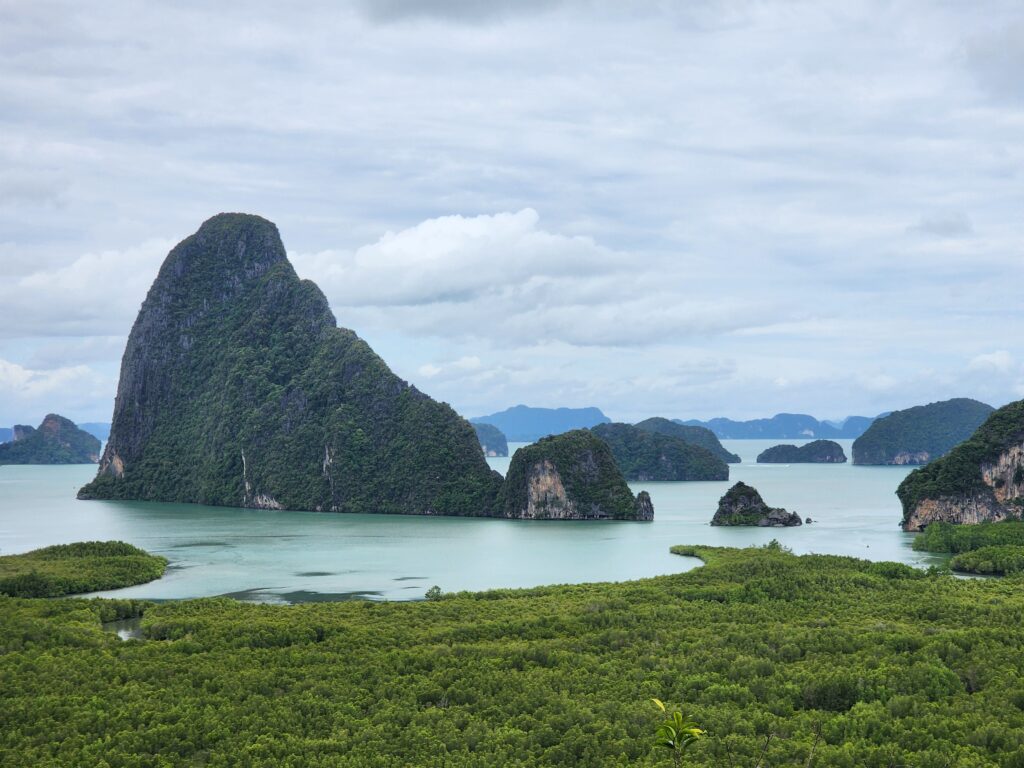
The Phang Nga Bay tide can change what you see during a trip through this famous part of the Andaman Sea. Water levels affect canoe routes, limestone caves, hidden lagoons and small beaches. Understanding the tide can therefore help you know why guides sometimes change the order of the itinerary during a Phang Nga Bay tour from Phuket.
Phang Nga Bay is known for its limestone islands, sea caves and unusual rock formations. Popular activities include canoeing at Tham Lod or Koh Talu, visiting Hong Island and taking photos at James Bond Island.
Table of Contents
Why the Phang Nga Bay Tide Matters
Tides are the regular rise and fall of the sea surface. They are mainly influenced by the gravitational forces of the moon and the sun. In many coastal areas, the water moves between high and low tide more than once each day.
In Phang Nga Bay, changing water levels can affect the space available inside a cave entrance. They can also reveal or cover sandbanks, rocky edges and mangrove roots. This does not mean that one tide is always better than another. Each water level can create a different experience.
Tour operators and local canoe guides check the conditions before entering narrow areas. This helps them select a suitable route for the water level, weather and safety conditions on that particular day.
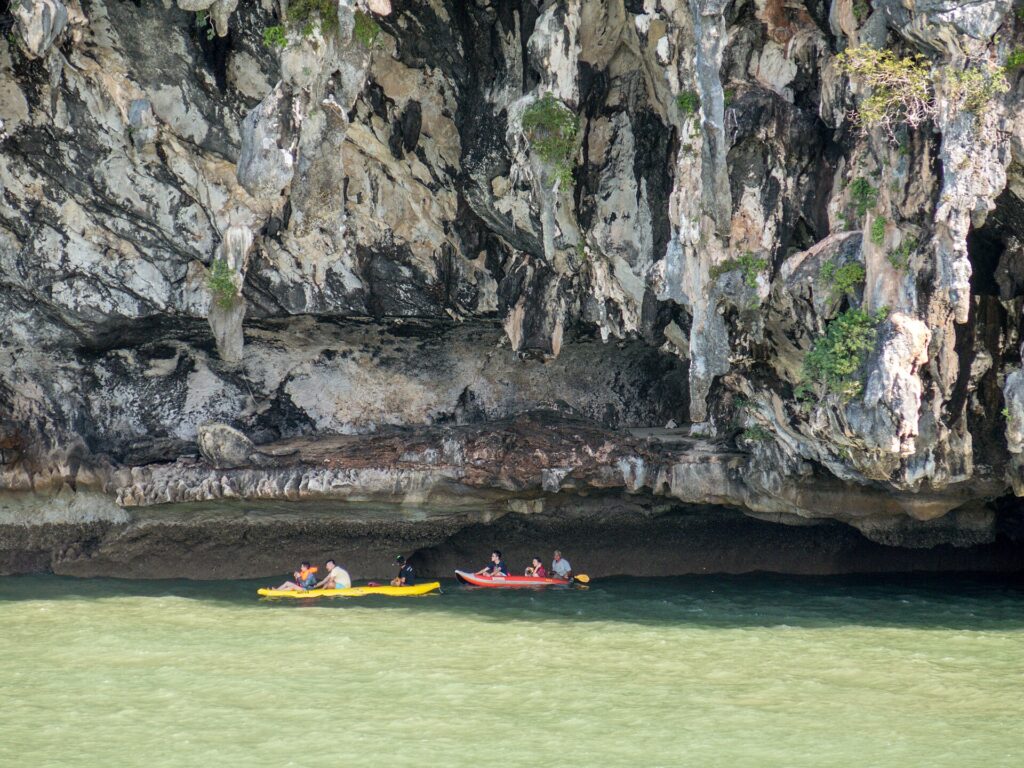
Canoeing During High Tide
During higher water levels, the canoe may float closer to mangrove branches and limestone walls. Some channels can feel deeper, and visitors may get a close view of the plants growing around the edges of a lagoon.
However, the open space between the water and the roof of a low cave may become smaller. Guides may ask passengers to lower their heads or lie back briefly while passing through a low section. If an entrance is unsuitable, the team may use another canoe route instead.
The exact conditions are different at every cave. For this reason, visitors should follow the instructions of the canoe guide rather than trying to enter a cave without local assistance.
Canoeing During Low Tide
At low tide, more rocks, mudflats, mangrove roots or narrow beaches may become visible. In some places, visitors can see natural details that remain underwater during higher tide.
A lower water level may provide more space below the roof of certain caves. On the other hand, very shallow channels may become difficult for a canoe to cross. Some sandbanks can only be visited around low tide. Love Andaman’s Phang Nga Bay itinerary, for example, notes that Phae Island, also called Dragon’s Back, is accessible only when the tide is low.
Because every location reacts differently, a low tide is not automatically the best time for every part of the tour.
Will the Tide Change Your James Bond Island Tour?
The Phang Nga Bay tide may change the timing or order of some activities, but it does not usually remove the main experience of exploring the bay. A guide might visit the canoeing area earlier, move a lagoon visit to another time or select an alternative cave that suits the current conditions.
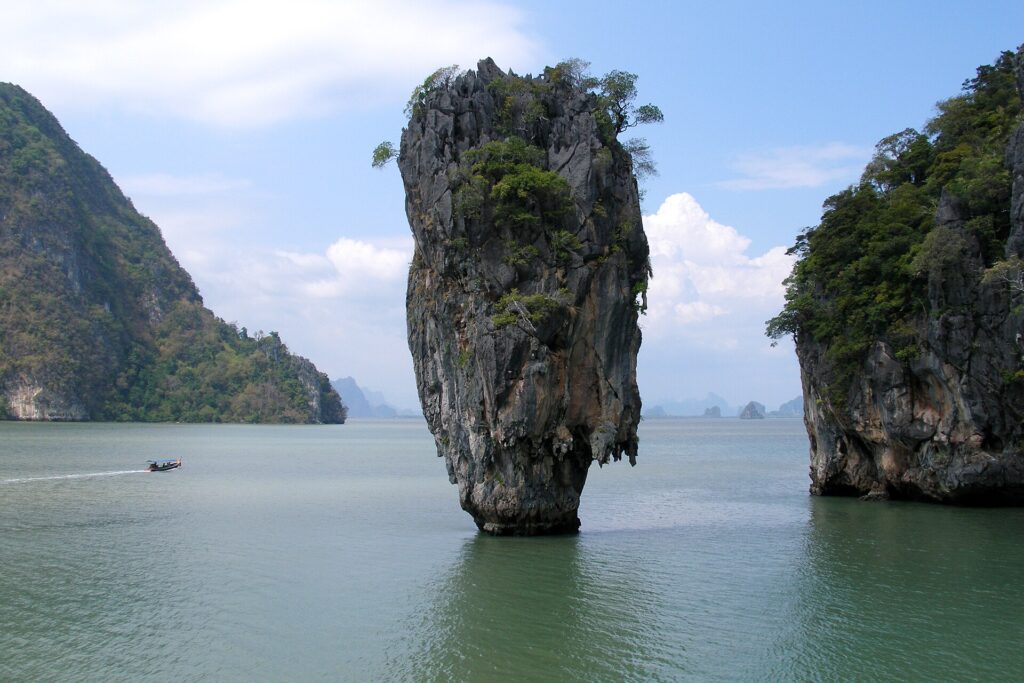
A typical James Bond Island tour from Phuket can include limestone scenery, canoeing, a visit to Koh Tapu and time around the communities or islands of Phang Nga Bay. The exact itinerary can change because of tides, sea conditions and national park guidance.
Visitors should bring quick-drying clothes, sun protection, a waterproof phone case and secure sandals. Avoid touching cave formations, mangrove roots or wildlife while canoeing. Following the guide helps protect both visitors and the natural environment.
You can follow Love Andaman on Facebook and Instagram for more information about island tours and boat trips in the Andaman Sea.