


Fun facts, marine animal
Trigger Fish: Behavior and Best Spots
A trigger fish is one of the most recognizable fish found around tropical coral reefs. Its oval body, strong teeth, unusual dorsal spine, and colorful patterns often attract the attention of snorkelers.
Triggerfish are fascinating to watch, but some species can become territorial. This is more common when they are protecting a nest. Learning about trigger fish behavior can help you observe them safely during a snorkeling or boat trip in the Andaman Sea.
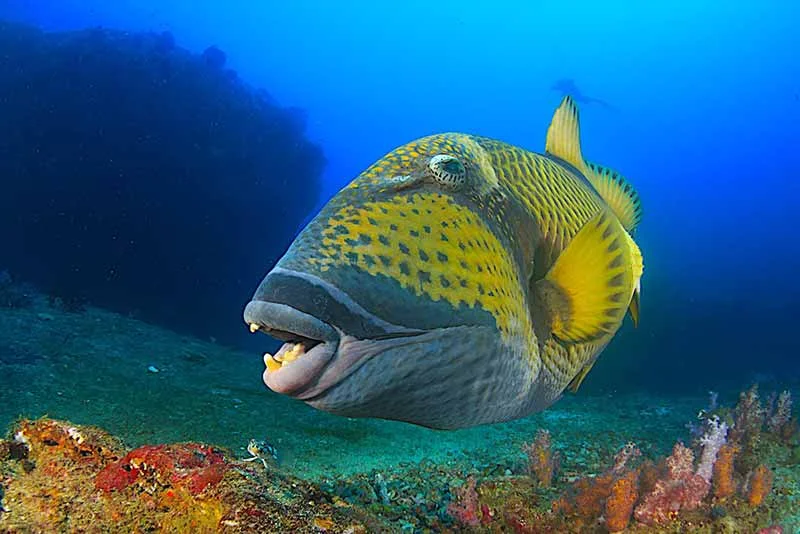
Table of Contents
What Is a Trigger Fish?
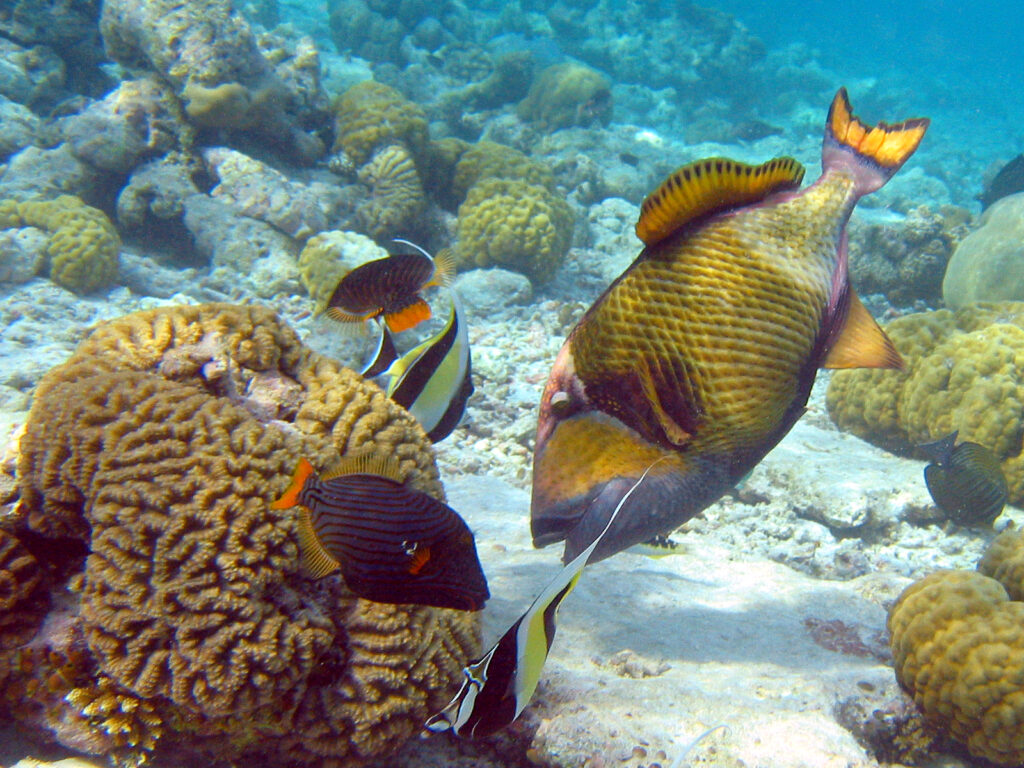
Triggerfish live around coral reefs, rocky areas, reef slopes, and sandy seabeds. They use their strong teeth to feed on animals such as sea urchins, mollusks, and small crustaceans.
The name “triggerfish” comes from the spines on top of its body. The fish can raise and lock its first dorsal spine into position. This helps it protect itself or stay inside a narrow opening in the reef.
Triggerfish also have eyes positioned high on their heads. Each eye can move separately, helping the fish watch its surroundings while searching for food.
Understanding Trigger Fish Behavior
Most triggerfish will swim away when people approach. However, their behavior may change during the nesting season.
A trigger fish may protect an area around its nest instead of protecting only one small point. It may see swimmers as a possible threat when they enter this space.
Warning signs may include:
- Swimming directly toward you
- Repeatedly approaching the same area
- Turning its body to face you
- Chasing other fish away
- Making quick or sudden movements
These actions do not always mean the fish will bite. They are often warnings asking you to leave its territory.
How to Avoid Trigger Fish Encounters
The easiest way to avoid a problem is to give the fish enough space. Do not swim toward it for a closer photograph, even when it appears calm.
Follow these simple safety tips:
- Do not touch, chase, feed, or corner the fish.
- Avoid swimming directly above a possible nesting area.
- Stay close to your snorkeling guide.
- Keep your hands near your body.
- Leave the area if the fish repeatedly approaches you.
If a trigger fish begins swimming toward you, remain calm. Slowly move sideways and away from the area. Do not make sudden movements or try to push the fish away.
Triggerfish may defend an area that extends upward from the nest. Moving sideways can help you leave that territory faster than swimming directly toward the surface.
Always follow your guide’s instructions. Local guides understand the snorkeling site and can recognize changes in trigger fish behavior.
Trigger Fish Spots in the Andaman Sea
Triggerfish can live in many reef environments. However, seeing one is never guaranteed because marine animals move naturally between different locations.
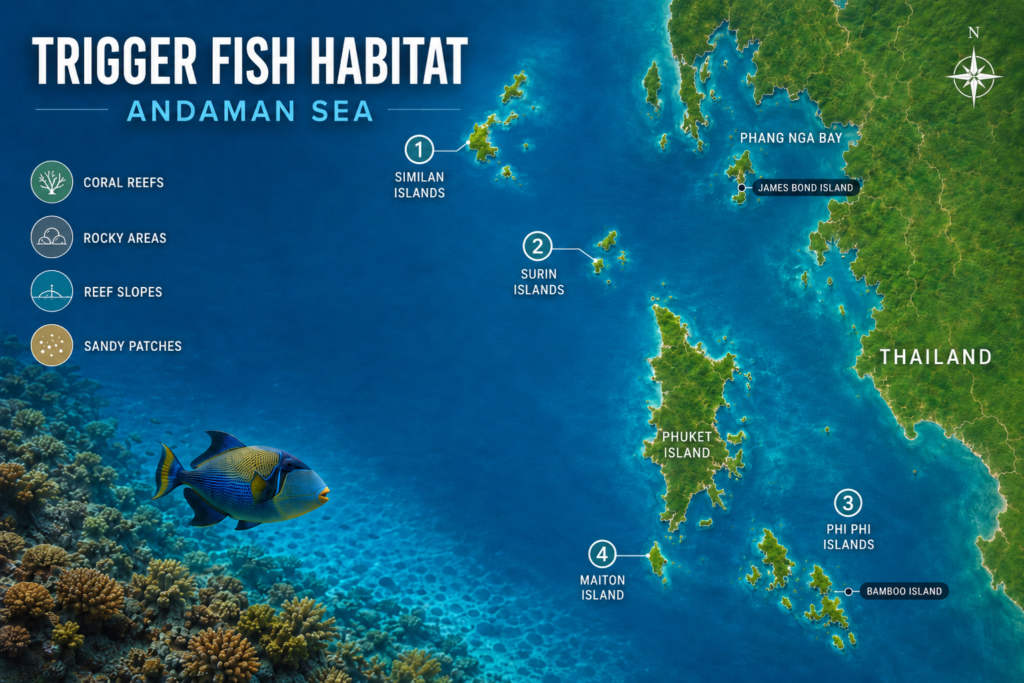
Possible trigger fish spots in the Andaman Sea include the following destinations:
Similan Islands
The Similan Islands are known for clear water, underwater rock formations, and diverse marine life. Triggerfish may be seen near reef edges, rocky areas, or sandy sections close to coral.
Surin Islands
The Surin Islands feature several snorkeling sites with healthy shallow coral reefs. These areas are home to a wide variety of tropical marine fish, including titan triggerfish and other colorful reef species.
Phi Phi and Bamboo Island
A Phi Phi and Bamboo Island trip combines island sightseeing with selected snorkeling stops. Marine life will vary depending on the location, visibility, and sea conditions.
Visitors can also consider a Phi Phi and Maiton sunset trip, which includes island scenery, snorkeling, and an evening journey across the Andaman Sea.
Observe Marine Life Responsibly
Seeing a trigger fish can be a memorable part of a snorkeling trip. The best way to enjoy the experience is to stay calm, keep a safe distance, and avoid disturbing the animal.
Do not stand on coral, collect marine life, or feed the fish. Responsible snorkeling protects the reef while allowing visitors to observe triggerfish in their natural environment.
Whether you travel by speedboat, yacht rental, or private charter, listening to your guide and respecting marine life will help create a safer and more enjoyable journey.