


Fun facts, island, marine animal
Jewels of the Forest: Exploring the Wildlife and Birds of Thailand’s Jungles
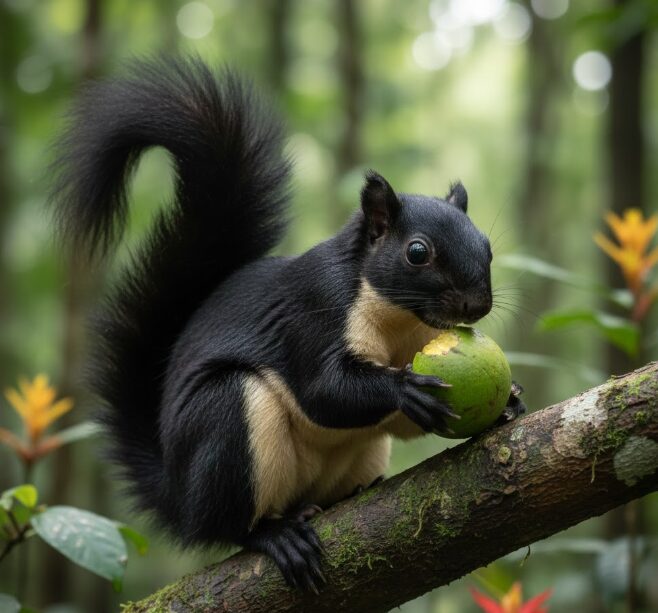
Thailand is renowned as one of the world’s biodiversity hotspots. Its lush forests and rich ecosystems are home to numerous rare and fascinating animals. In particular, the Black Giant Squirrel (Ratufa bicolor), Hornbills, and various groups of small mammals serve as clear indicators of the forest’s health. This article will take you on a journey to get to know these animals up close.
Table of Contents
The Black Giant Squirrel: The World’s Largest Squirrel
The Black Giant Squirrel (Ratufa bicolor) is known as the largest squirrel in the world, with a body and tail length that can reach up to 90 centimeters. Its distinguishing feature is the dark brown or solid black fur on its upper body, which sharply contrasts with the light cream or orange-colored fur on its underside, making it a prominent sight in the high canopy .
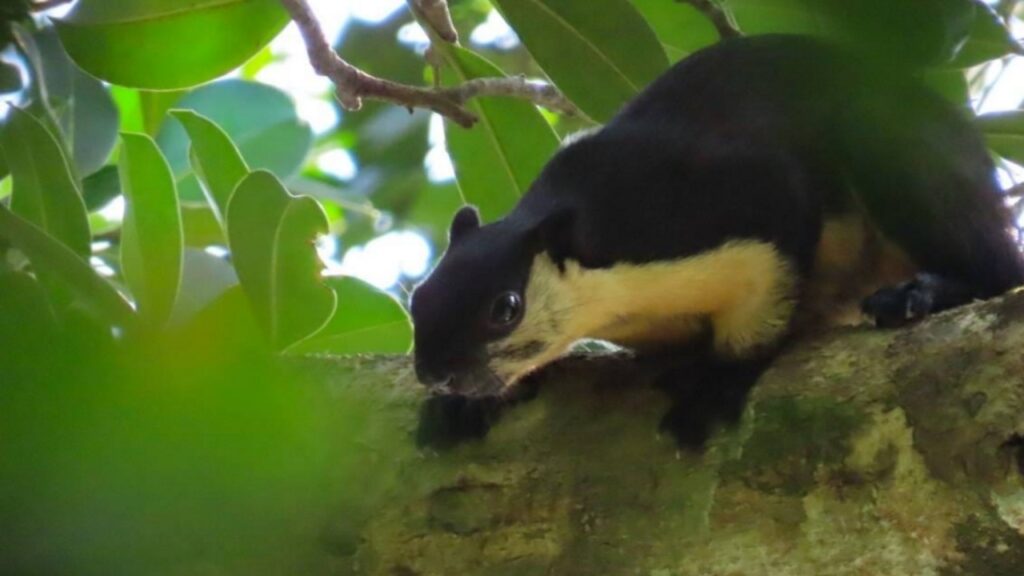
| Feature | Detail |
| Scientific Name | Ratufa bicolor |
| Size | The world’s largest squirrel |
| Fur Color | Black/Dark Brown on top, Cream/Orange on bottom |
| Habitat | High-canopy evergreen forests |
| Status | An indicator of forest abundance |
The Black Giant Squirrel prefers to live in evergreen and mixed deciduous forests, especially in areas with tall, continuous trees. It spends almost its entire life in the trees and is rarely seen, as it tends to call out and hide in the high canopy . Its presence is a positive sign indicating the ecological integrity of the area.
Hornbills: The Loyal Forest Planters
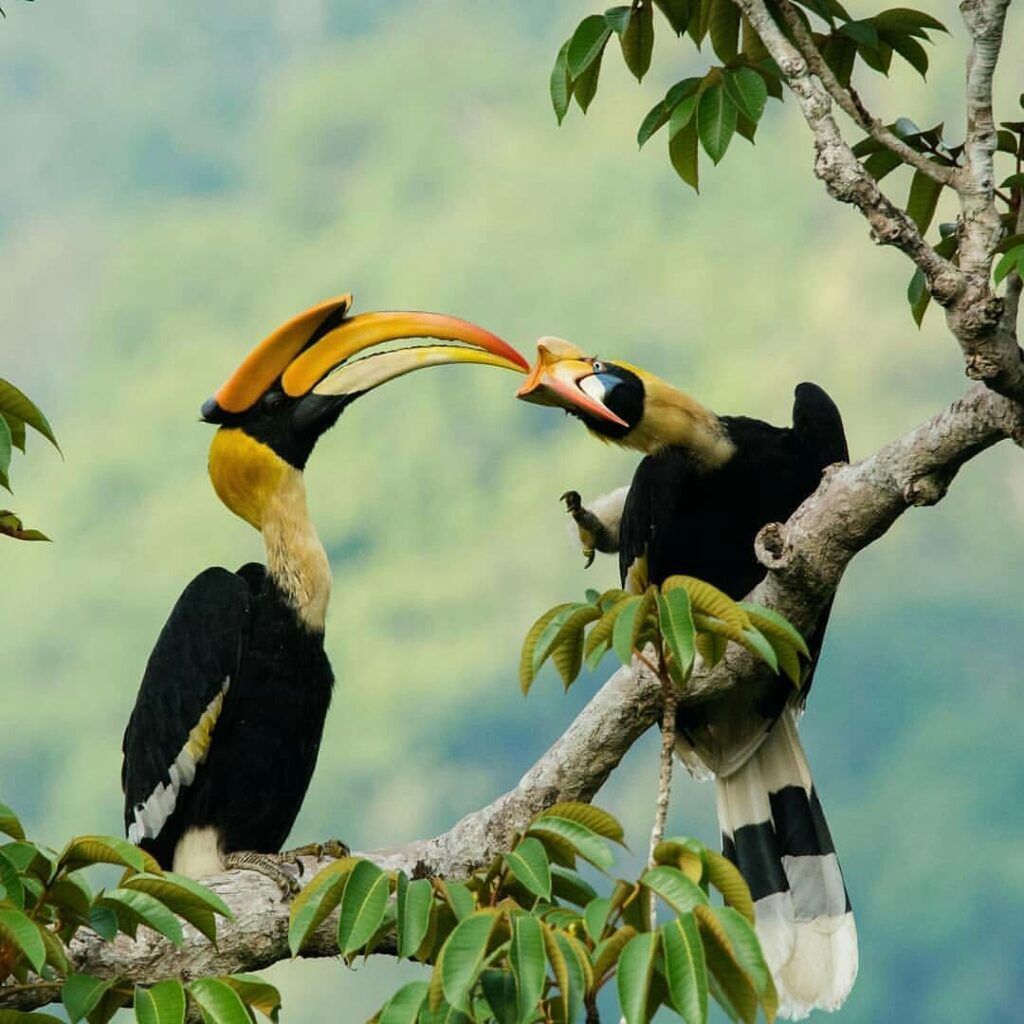
Hornbills are a group of birds critically important to Thailand’s forest ecosystem. Hornbills have an ancient history, dating back 50-60 million years, and are known as “Forest Planters” because they consume fruits and help disperse large seeds that other animals cannot, facilitating the regeneration of trees in various areas .
Thailand is home to 13 species of Hornbills , each with unique characteristics, such as the Great Hornbill (the largest), the Rhinoceros Hornbill (with a large casque), and the Helmeted Hornbill (with a solid casque, making it highly valuable and heavily hunted).
Beyond their ecological role, Hornbills are also a symbol of “True Love” and “Fidelity” in nature due to their incredible nesting behavior. The female seals herself inside a tree cavity with mud and wood fragments, leaving only a small slit through which the male feeds her throughout the incubation and chick-rearing period. This demonstrates the strong bond and responsibility of the pair in the wild .
Small Mammals: Key Mechanisms in the Food Chain
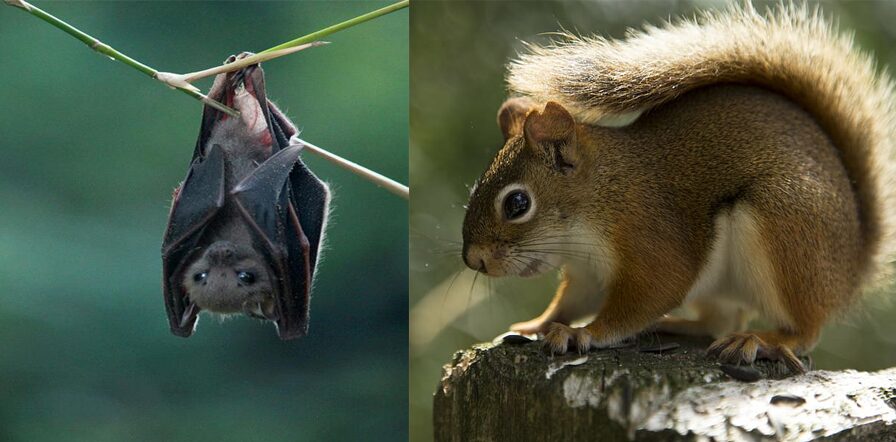
In addition to the prominent large animals, small mammals also play a vital role in maintaining the forest’s balance. Examples include Treeshrews (which resemble squirrels but have pointed snouts) that help with pollination and seed dispersal . Bats, especially small insectivorous and frugivorous bats like the Javan Pipistrelle, contribute to insect population control and nocturnal pollination.
These small mammals may not be as easily noticed as the Black Giant Squirrel or the Hornbills, but they form the crucial foundation of the food chain. They are both insect predators and prey for larger carnivores like snakes, owls, and other small predators. Their presence indicates the diversity and fundamental health of the forest.
Conclusion: The Importance of Conservation
The Black Giant Squirrel, Hornbills, and small mammals are just a part of the wonder of Thai wildlife. Their survival depends on the abundance of the forest. Therefore, forest conservation is not just about preserving trees, but about protecting the home and life of all these creatures. Recognizing the role of each species in the ecosystem will help us appreciate and collectively safeguard these Jewels of the Forest for future generations.