


marine animal
🪼 Jellyfish in Thailand: Know Before You Fear
Jellyfish are naturally found in the waters of Thailand, especially in the Andaman Sea around Phuket, Krabi, Phang Nga, and the Similan Islands.
While most jellyfish in Thailand are harmless, certain species may appear seasonally depending on water temperature, currents, and monsoon patterns.
This guide explains common jellyfish species in Thailand, when they appear, and how to stay safe while swimming or snorkeling.
Many people fear jellyfish — and understandably so. Some species can cause painful stings, and rare cases can be dangerous. But the truth is, jellyfish in Thailand are a natural part of the marine ecosystem, and not all of them are harmful.
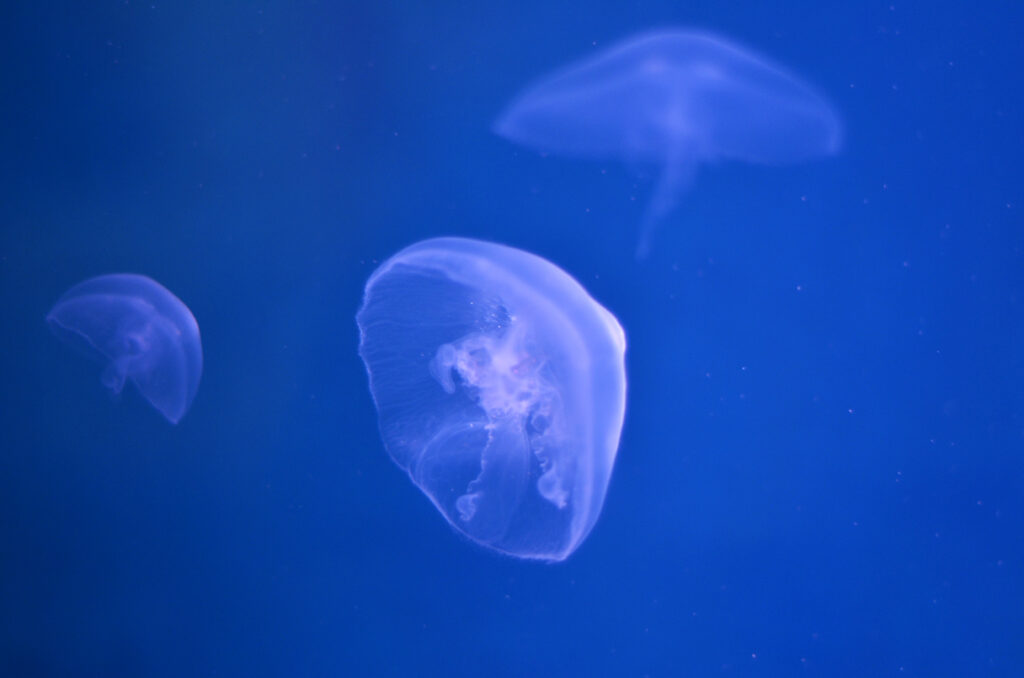
If you love the sea but want to stay safe, understanding jellyfish is the best place to start.
Table of Contents
🌊 1. Are All Jellyfish Dangerous?
The simple answer: No.
Thailand’s Andaman Sea is home to many jellyfish species. Most are harmless to humans, though a few can cause discomfort or stings.
Common harmless jellyfish:
✔ Moon jellyfish (Aurelia spp.) — gentle, translucent, with mild or no sting
✔ Comb jellies — not true jellyfish, completely harmless
Potentially harmful jellyfish:
✔ Box jellyfish (Chironex spp.) — rare but dangerous, severe stings possible
✔ Portuguese man o’ war — not a true jellyfish, but its long tentacles can sting
✔ Lion’s mane jellyfish — large, can cause painful but rarely dangerous stings
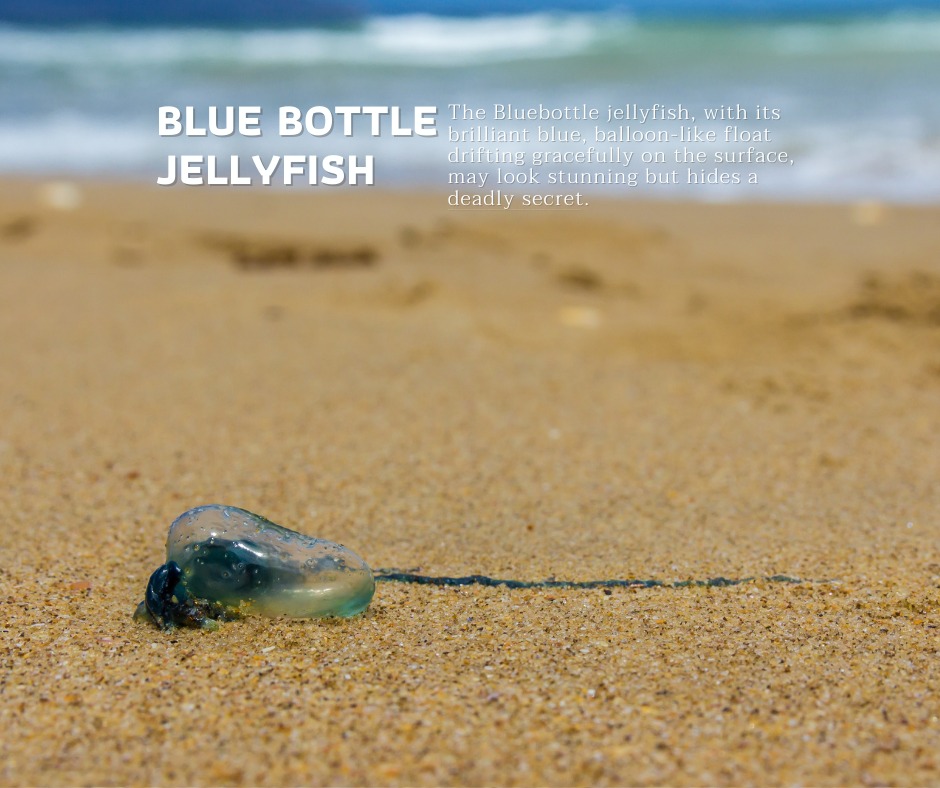
The chance of encountering dangerous jellyfish in Thailand is low, especially with responsible tour operators and awareness.
🧐 2. How to Recognize Jellyfish & Stay Safe
If you spot jellyfish in the sea or on the beach:
✔ Look for translucent, umbrella-shaped bodies floating near the surface
✔ Box jellyfish are more cube-shaped with trailing tentacles — avoid them
✔ Comb jellies often glow and pulse gently — completely harmless
Sea Safety Andaman Tips:
✔ Listen to local guides — they know the area
✔ Avoid swimming if jellyfish warnings are posted
✔ Wear a rash guard or protective swimwear when snorkeling
✔ If stung, rinse with seawater (not fresh water) and seek help if severe
🌿 3. Why Jellyfish Matter to the Ocean
Love them or hate them, jellyfish are essential to marine ecosystems:
✔ They are food for sea turtles, sunfish, and other species
✔ They help control plankton populations
✔ Their presence can indicate changes in ocean conditions
While jellyfish blooms (large groups) can signal imbalances, they also reflect natural cycles of the sea.
🌊 4. Should You Avoid the Sea Because of Jellyfish?
Absolutely not!
The Andaman Sea is vast, and with proper awareness, it’s safe to enjoy snorkeling, swimming, and exploring.
Responsible operators, like those working with Love Andaman, monitor conditions and guide you safely through the beauty of Thailand’s marine world.
🛟 5. Quick Jellyfish Safety Checklist for Thailand
✔ Check with local guides before entering the water
✔ Wear protective swimwear if snorkeling or diving
✔ Carry vinegar in your beach kit — it helps neutralize stings
✔ Never touch jellyfish, even washed up on shore
✔ Stay calm — most stings are mild and easily treated
Where Are Jellyfish Found in Thailand?
Jellyfish can be found in both the Andaman Sea and the Gulf of Thailand.
In southern Thailand, sightings are more common around Phuket, Krabi, Phang Nga, and offshore island groups such as the Similan Islands.
Most sightings occur close to shore after strong currents or seasonal monsoons.
Jellyfish Season in Thailand
Jellyfish sightings in Thailand are usually seasonal.
In the Andaman Sea, jellyfish may appear more frequently during the southwest monsoon (May–October), when ocean currents bring plankton closer to shore.
Sightings are typically temporary and monitored by local authorities and tour operators.
🌊 Respect the Sea, Understand the Creatures
Like all marine life, jellyfish deserve respect — not fear. With the right knowledge, you can explore Thailand’s Andaman Sea confidently and safely.
Most jellyfish in Thailand are harmless. Serious stings are rare and usually limited to specific seasons or locations. Beaches in Phuket and Krabi are monitored, and warnings are issued when necessary.
Rinse the affected area with seawater and seek help from local lifeguards or tour staff. Vinegar is commonly used in Thailand for jellyfish stings, depending on the species.
Jellyfish sightings around Phuket and the Similan Islands are occasional and seasonal. The waters are generally safe for swimming and snorkeling year-round.
📞 Contact Us
Want to explore the Andaman Sea safely and responsibly? Find trusted tours and marine life information here:
🌐 Love Andaman Website
📸 Instagram: @loveandaman
📘 Facebook: Love Andaman
🍋 Lemon8: Love Andaman