


Surin shallow reefs are one reason the islands are widely associated with snorkeling. In selected bays, reef communities occur close enough to the surface for visitors to observe coral shapes and tropical fish without deep diving. This does not mean every part of Surin is shallow or that every reef is equally accessible.
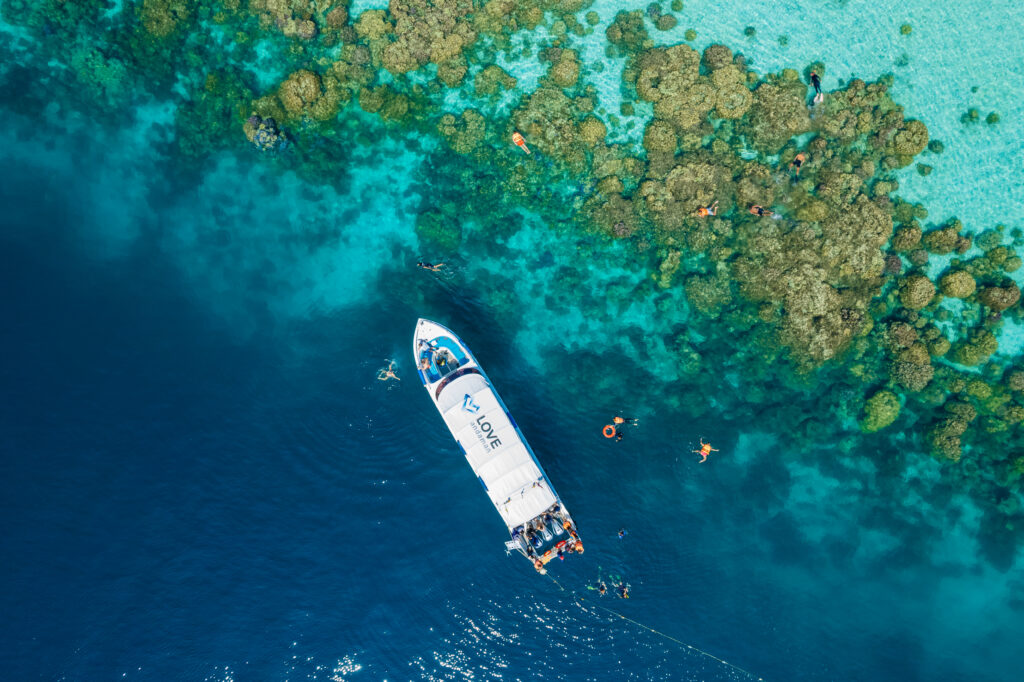
The character of Surin shallow reefs comes from a combination of clear sunlit water, suitable hard surfaces, protected bay shapes and long-term reef growth. Local waves, storms, temperature and human pressure still influence each site, so guides choose snorkeling areas according to current conditions.
Table of Contents
Why coral can grow in shallow water
Many reef-building corals contain microscopic algae that use sunlight. Shallow clear water gives these algae access to light, helping the coral ecosystem produce energy. When the seabed offers stable rock or older reef material, young coral can attach and gradually build a reef structure.
Shallow reefs often include a reef flat and a sloping outer edge. The flat may be very close to the surface at low tide, while the slope continues into deeper water. This variation creates different habitats within a short distance.
Sheltered bays and island geography
The Surin archipelago contains bays, channels and island faces oriented in different directions. Some locations receive less direct wave energy during suitable seasons, allowing reef communities to develop in relatively sheltered water. Other exposed sites may have stronger currents or wave action.
A sheltered-looking bay is not automatically safe every day. Wind direction, swell and tide can change quickly. The tour guide and boat crew decide which approved site provides the best balance of visibility, current and visitor safety.
What snorkelers may observe
Depending on the site and season, snorkelers may see branching, massive or table-like coral forms, along with parrotfish, butterflyfish, damselfish and other reef animals. Green sea turtles or rays may appear, but wildlife sightings are never guaranteed.
The closeness of the reef makes careful behavior essential. Keep fins away from coral, maintain a horizontal floating position, do not stand on the seabed and never chase animals. Even a light kick can break a coral branch that took years to grow.
Planning a responsible Surin trip
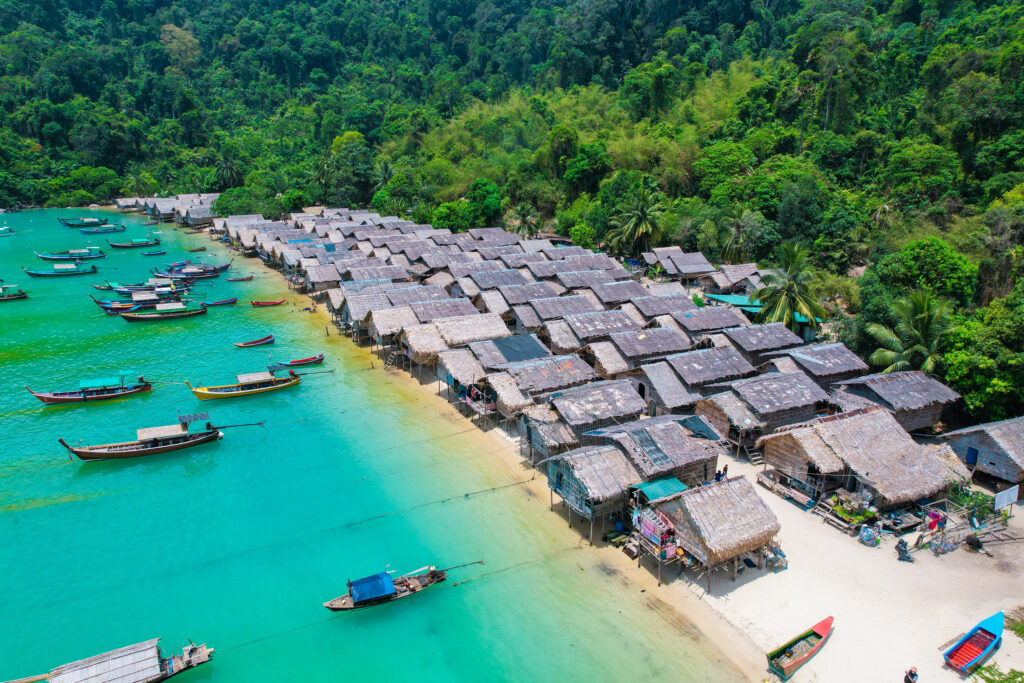
A Surin Islands snorkeling tour may combine several snorkeling areas with a visit connected to the Moken community, depending on the operating program. Surin is a seasonal national-park destination, so check opening dates and current rules.
Choose a properly supervised trip, use a life jacket when needed and tell the guide honestly about swimming ability. Reef-friendly conduct matters more than getting close for a photograph. The best view is one that leaves the reef unchanged for the next visitor.
Frequently Asked Questions
Why are some Surin reefs close to the surface?
Clear shallow water, sunlight, stable seabed and protected bay conditions allow reef-building corals to develop near the surface.
Are all Surin reefs shallow?
No. The islands include reef flats, slopes, channels and deeper areas. Tours use selected approved snorkeling sites.
Is Surin suitable for beginner snorkelers?
Some sites may be suitable with a guide and flotation aid, but current and depth vary. Tell the crew about your ability.
Can I stand on the reef?
No. Standing can break coral and cause injury. Float horizontally and keep fins away from the seabed.
Will I see a green sea turtle?
It is possible, but sightings are natural and cannot be guaranteed.
When are the Surin Islands open?
They operate seasonally under national park management. Check the current annual opening and closure announcement.
Does a Surin tour visit Moken village?
Some programs include a respectful community visit. Confirm the itinerary and follow guidance about photography and behavior.